
From Community Voices to Classrooms: How Youth Advocacy Helped Strengthen Science Education at Nambawala Secondary School
From Community Voices to Classrooms: How Youth Advocacy Helped Strengthen Science Education at Nambawala Secondary School For students to succeed, they need more than classrooms and learning materials. They need qualified teachers who can guide them, explain complex concepts, encourage their curiosity, and provide the support they need throughout their learning journey. At Nambawala Secondary School, located in Mbekenyera Ward, Ruangwa District, a shortage of science teachers had become a significant challenge affecting the school's ability to provide effective teaching and learning. With limited teaching staff available, existing teachers carried a heavier workload, making it difficult to provide sufficient individual attention and support to students.
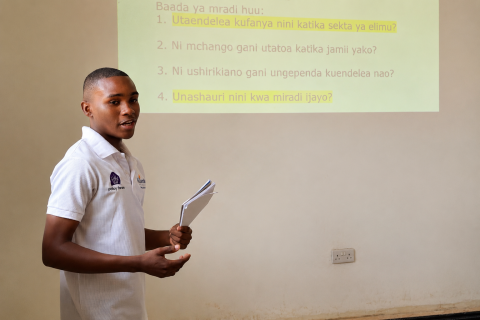
Through the Kuyenda Project, young people are being empowered to become active contributors to improving education outcomes within their communities. The project supports Rural Youth Champions (RYCs) to identify education challenges, engage communities, document concerns, and connect local issues with institutions responsible for addressing them. One of these young advocates is Hashim Ramadhani Mtela, a Kuyenda youth coordinator who recognised the importance of addressing the teacher shortage affecting learners at Nambawala Secondary School. During community engagement activities conducted in July 2025, Hashim worked with local leaders and community members to understand challenges affecting schools and learners in the area. Through these discussions, the shortage of science teachers at Nambawala Secondary School emerged as one of the key concerns requiring attention. At the time, the school had six teachers, including volunteer teachers, supporting students' learning needs.
The limited number of teachers meant that some educators had to manage multiple teaching responsibilities, increasing their workload and reducing the amount of time available to provide individual guidance to learners. For science subjects in particular, adequate teacher availability is essential. Students often require consistent support, practical explanations, and opportunities to engage with teachers to fully understand concepts. A shortage of specialised teachers can create additional barriers for learners, particularly those preparing for examinations and considering future pathways in science-related fields. Recognising the impact of this challenge, Hashim documented the concerns raised by the community and worked through established education accountability channels to ensure that the issue reached relevant decision-makers. Through the Kuyenda Project's social accountability approach, Rural Youth Champions serve as a link between communities and institutions responsible for delivering public services. Their role is not to replace government systems but to strengthen communication, ensure community concerns are documented, and promote responsive action. Hashim shared the information collected from the community through Policy Forum, which supported engagement with relevant education authorities, including the President's Office - Regional Administration and Local Government (OR-TAMISEMI).
This process demonstrated how evidence gathered at community level can contribute to education planning and decision-making when communicated through appropriate channels. The advocacy process highlighted the importance of listening to communities and ensuring that challenges affecting schools are visible to those responsible for addressing them. By bringing together community voices, education stakeholders, and government institutions, the issue moved from being a local concern to becoming part of a broader response effort. By 2026, the teacher shortage challenge at Nambawala Secondary School had received a positive response. Seven additional teachers were deployed to the school, increasing the total number of teachers from six to thirteen. The increase in teaching staff has created better conditions for both teachers and students. With more teachers available, responsibilities can be distributed more effectively, reducing pressure on individual teachers and allowing them to focus more on supporting students' learning.
For learners, the availability of additional teachers means improved access to academic guidance, more opportunities to interact with teachers, and a more supportive learning environment. The increase is particularly valuable for strengthening science education, where consistent teacher engagement plays an important role in helping students build confidence, understand concepts, and achieve their academic goals. Reflecting on the experience, Hashim Ramadhani Mtela shared: "Through the Kuyenda Project, I have learned that young people have an important role to play in improving education within our communities. When we listen to students, teachers, and community leaders, we can identify challenges and connect them with the right stakeholders for action. Seeing the shortage of teachers at Nambawala Secondary School addressed has shown me that community voices can contribute to real change. This experience has encouraged me to continue supporting efforts that create better learning opportunities for students." The experience at Nambawala Secondary School demonstrates the power of social accountability in strengthening education systems. When communities, young people, schools, and government institutions work together, challenges affecting education can be identified and addressed through collaborative solutions.
The story also highlights the importance of empowering young people as active partners in education improvement. Through the Kuyenda Project, Rural Youth Champions are not only raising awareness about education challenges but are also helping strengthen relationships between communities and decision-makers. The response at Nambawala Secondary School demonstrates the value of evidence-based advocacy. By listening to community concerns, documenting challenges, and engaging the appropriate authorities, a local education challenge was transformed into an opportunity for meaningful improvement. This approach contributes to stronger education governance by promoting accountability, responsiveness, and collaboration among education stakeholders. It also supports more equitable learning opportunities by helping schools access the resources and support needed for students to succeed.
The progress achieved at Nambawala Secondary School provides an encouraging example of what can happen when communities are empowered to participate in improving education services. However, sustaining these gains will require continued collaboration between schools, communities, Local Government Authorities, education stakeholders, and young leaders. Continued engagement with Regional Youth Coordinators will remain important to ensure that emerging education challenges are identified early, documented effectively, and addressed through appropriate accountability mechanisms. The experience reinforces a key lesson from the Kuyenda Project: communities often understand the challenges affecting education in their areas, and when young people are equipped with the confidence, skills, and platforms to raise these concerns, they can become powerful partners in creating solutions. At Nambawala Secondary School, one community concern became a catalyst for change. Through youth leadership, stakeholder collaboration, and responsive education systems, students now have improved access to teachers and a stronger foundation for learning.